 pandu-rangga

BREAKING — Prosecutor's Office of Indonesia (Kejagung) has officially uncovered a massive corruption case linked to nickel exports in Southeast Sulawesi (Sultra). State losses are estimated at Rp401 billion.
Kejagung investigators confirmed the finding on Sunday. This case involves alleged criminal acts of corruption in the management and export of nickel ore from Sultra region, which is one of Indonesia's largest nickel-producing provinces.
Modus Operandi: Falsifikasi Dokumen Ekspor
According to investigators, the suspects manipulated export documents to undervalue nickel shipments. By falsifying the weight, quality, and price of exported nickel ore, the actors were able to reduce the amount of export duties and taxes that should have been paid to the state.
The investigation began after the Financial and Development Supervisory Agency (PPPK) flagged irregularities in nickel export data from several ports in Sultra. The suspicious activity triggered a deeper audit that eventually led to the Attorney General's Office.
- Total state losses: Rp401 billion
- Region involved: Southeast Sulawesi (Sultra)
- Commodity: Nickel ore exports
- Method: Document falsification and duty evasion
- Status: Active investigation by Kejagung
Suspects and Corporate Entities Involved
Investigators have identified several suspects, including individuals believed to be the masterminds behind the falsified export scheme. Corporate entities operating in the nickel mining and export sector in Sultra are also being examined for their involvement.
"We are tracking every transaction and document related to these exports. The evidence is strong and we will pursue this case to the fullest extent of the law," said a senior official from Kejagung's Corruption Eradication division during a press briefing.
The suspects allegedly collaborated with certain officials at export checkpoints to approve shipments based on falsified documents. This allowed the illegal proceeds to flow out of the country without proper state revenue collection.
Impact on State Revenue and Nickel Industry
Nickel is one of Indonesia's most valuable export commodities, particularly in the context of the global electric vehicle (EV) battery supply chain. Southeast Sulawesi hosts numerous nickel smelters and mining operations that contribute significantly to national export earnings.
The alleged corruption in nickel exports not only drains state revenue but also undermines the integrity of Indonesia's position in the global nickel market. If left unchecked, such practices could damage the country's reputation as a reliable supplier of critical minerals.
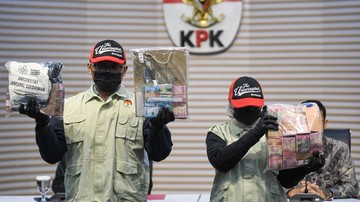
Kejagung stressed that the investigation is ongoing and more suspects could be named as the case develops. The agency has frozen several accounts linked to the suspects and seized assets connected to the alleged crime.
Legal Consequences and Asset Seizure
Under Indonesia's anti-corruption law, perpetrators of state financial crimes face severe penalties, including lengthy prison sentences and substantial fines. Kejagung confirmed it is seeking maximum legal action against all individuals and corporations found guilty.
Authorities have also coordinated with the Ministry of Energy and Mineral Resources as well as the Ministry of Trade to strengthen oversight mechanisms for mineral exports. This case highlights the urgent need for improved monitoring of commodity export chains.
The Attorney General's Office has promised to release further details as the investigation progresses. Public attention is now focused on how far the network of actors involved in this Rp401 billion nickel export scandal extends.
UPDATE: Kejagung is expected to announce additional suspects and explain the full scope of the alleged corruption network in the coming days.










Comments (0)