 tasya-kamila
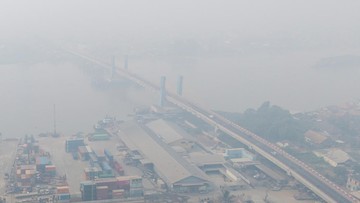
BARU SAJA — Residents of Palembang are facing increasingly thick haze, with visibility sharply reduced and air quality entering the dangerous category. The condition is triggered by a fire that has been burning in forest and plantation areas, with wind carrying the smoke into the city.
Local authorities confirmed that haze conditions in the South Sumatra capital have continued to worsen over the past few days. Residents reported that visibility dropped dramatically in the morning, forcing motorists to turn on headlights even during daytime hours.
Kualitas Udara Memburuk
The impact is not only visual. Air pollution levels in Palembang have now moved into a hazardous classification, meaning everyone, not only vulnerable groups, may experience effects from prolonged exposure outdoors.
- Visibility ranges reduced to less than one kilometer in several districts
- Outdoor activities strongly discouraged throughout the day
- Schools and public spaces operate with heightened caution
- Masks widely distributed to communities
Public health officials warned that short-term exposure to concentrated smoke can trigger irritation in the eyes, nose and throat, as well as headaches and breathing difficulties.
Krisislasting Berlangsung Lama
Satellite data and field observations indicate that smoke plumes continue to move south toward the city. Burn hotspots remain active, meaning the haze could persist for weeks if rainfall does not increase.
Airlines and land transport operators reported adjustments to schedules, while outdoor workers were advised to use protective equipment. Nighttime air quality is also poor, with residents keeping windows closed to limit smoke entering homes.
Pemerintahcoordinate
Authorities have urged residents to limit unnecessary outdoor activity, wear masks when leaving the house, and ensure children, elderly people and those with respiratory conditions avoid heavy exposure.
Water distribution points remain open, while routine monitoring continues around the clock. Official updates will be issued as conditions change.











Comments (0)